
Most of what we print is already on someone's phone. Here's what happens between the file and the framed piece on the wall.
A customer walks in on a Saturday with a photograph of their grandparents on a porch in 1962. It came out of a shoebox. The corners are creased and there's a coffee ring across one edge. They want to give a copy to each of their three siblings, same size, same paper, in time for the holidays. That is a printing job. So is the iPhone snapshot of a kid's first day of school. So is the high-resolution TIFF a Chicago photographer drops in by USB stick for a gallery edition of twelve. The paper, the size, and the color decisions are different for each one. The bench process is the same.
What comes through the door.
About half of what we print starts as a phone photo. Another quarter is scanned from older prints, the shoebox material, that the customer wants enlarged or restored. The rest is artist work: original paintings or drawings being reproduced as limited-edition giclées, or photography being printed for shows.
The first conversation is always the same: what is this for, and how big does it need to be on the wall? A 5×7 on a desk and a 24×36 over a couch ask different things of the same file. We will look at the resolution before we quote a size, because a 12-megapixel phone photo holds up at 12×16 and starts to break down past 16×20.
What we check before we print.
Before any pigment hits paper, we look at three things: resolution, color profile, and crop. Resolution decides what sizes the file will support. Color profile, sRGB, Adobe RGB, ProPhoto, decides whether what's on the screen is what comes off the printer. Crop is the easiest to get wrong: a 4:3 phone photo doesn't fit an 8×10 frame without losing something on the edges, and we want to know what you're willing to lose before we print.
If the file needs work, color cast from a tungsten lamp, a tilted horizon, an unwanted person in the corner, we do that here, in-house, and we show you a proof before the print runs.
Six papers, six different decisions.
People ask which paper is the "best" one. There isn't one. There are six, and the right paper depends on the photograph and on the room.
If you're not sure, we'll print a small test on two or three papers and let you see them side by side, in our shop's light, before we commit to the full size. It's the cheapest way to make a decision you'll live with for years.
Why pigment, and why it lasts.
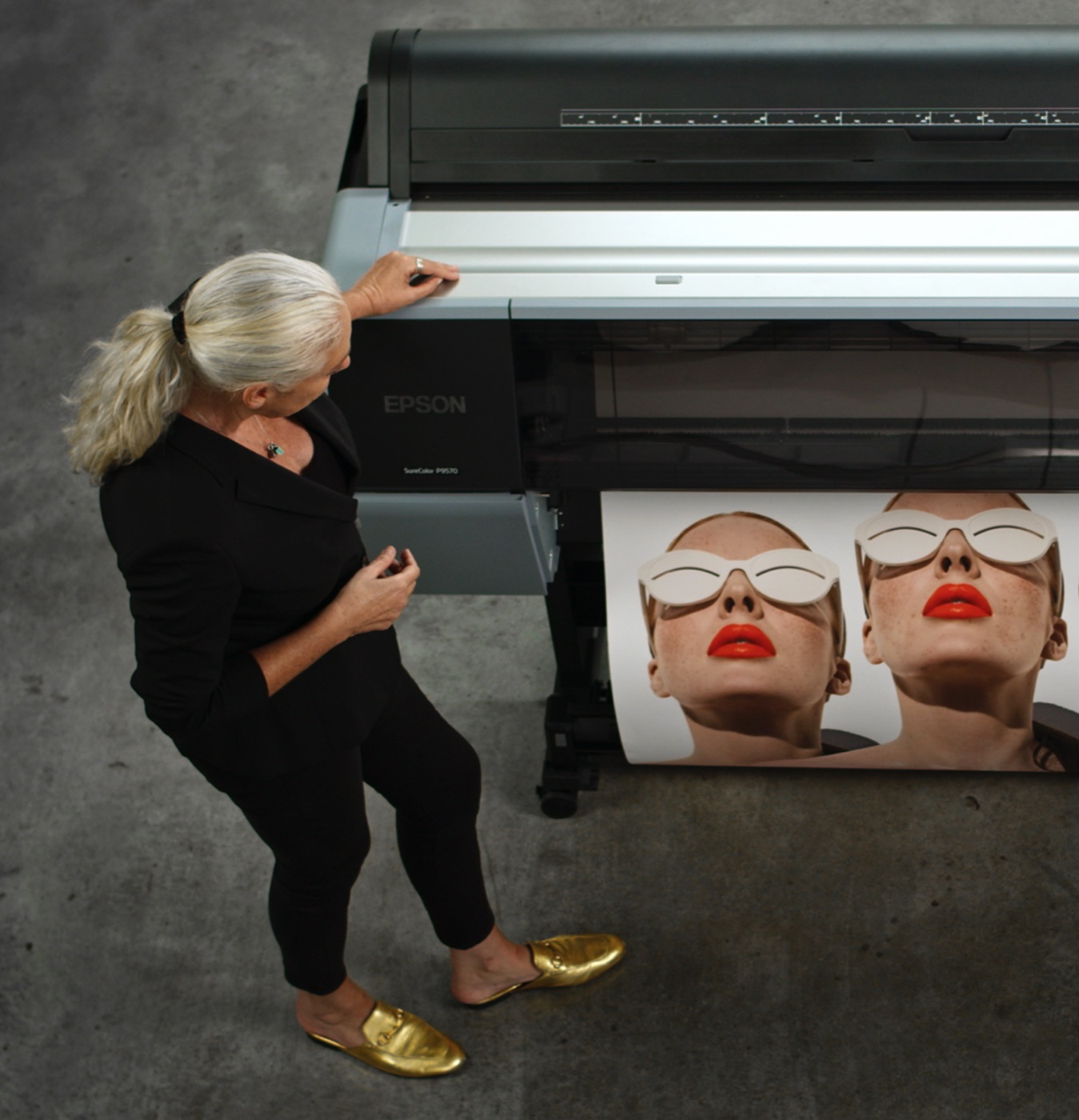
Our printer is a state-of-the-art Epson with a twelve-color, high-dynamic-range pigment process, the same kind of process used by museums and serious photographers. Pigment instead of dye. That's the difference that matters most.
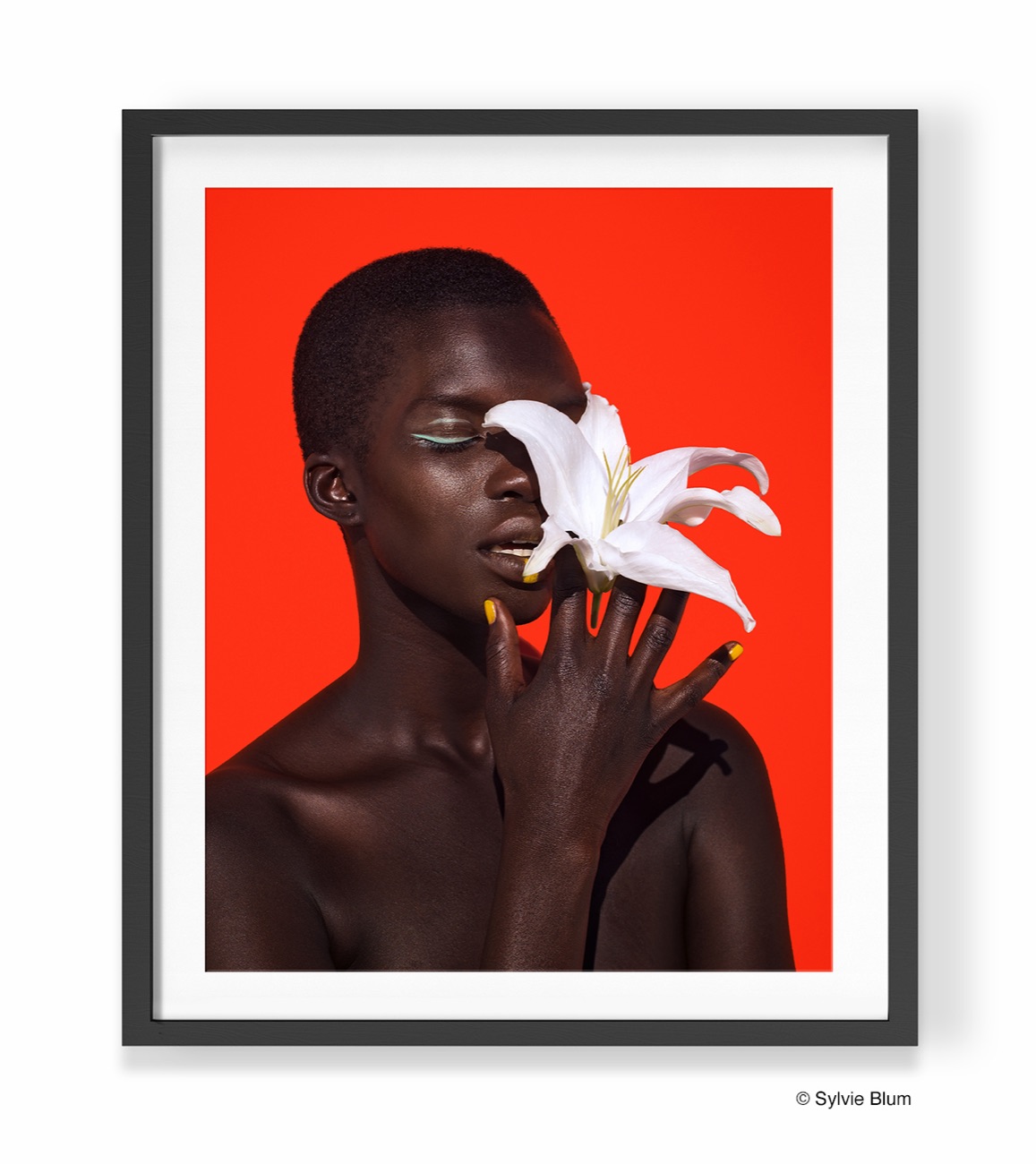
A pigment print, properly framed behind UV glass, will hold its color for a century or more. A dye-based print, the kind a drugstore kiosk gives you, starts noticeably shifting inside a year, and is visibly faded inside ten. If you want a photograph to be on a wall in twenty years and still look the way it does today, this is how.
The cheapest way to make a decision you'll live with for years is to see the paper, in good light, before we commit to the size.
From the workshop bench
If you read nothing else.
Once we've agreed on the file, the size, and the paper, the print itself is the fast part. Most jobs go from approved proof to ready-for-pickup in two to three business days. Same-day rush is available for an extra fee, and pairs well with a custom frame from our wall, which is a different essay.